
Why Your Luxury Brand Isn’t Generating Enough Qualified Leads
Luxury brands with poor lead volume face a qualification, not a visibility, issue. Converting traffic into high-value conversations requires attracting high-intent visitors and building trust, rather than simply driving higher traffic volume.
Measuring success via mass-market metrics like rankings, impressions, and clicks tracks attention rather than demand. High-value brands need ready-to-convert prospects, not just broader reach.
Broad targeting and generic messaging weaken lead quality. This article outlines how landing pages, trust signals, intent-led discovery, and qualified funnels drive luxury customer acquisition.

The Real Problem Is Targeting, Not Traffic
Luxury brands routinely target audiences by income proxy alone, and income proxy is a weak filter. A £250,000 household income does not indicate someone is in-market for a £40,000 timepiece this quarter. It indicates they can afford one, eventually, possibly, under the right circumstances. Genuine qualification requires layering income proxy with behavioural and contextual signals: recent luxury purchase activity, category-specific search intent, engagement with comparable brands, and lifecycle triggers such as lifecycle or contextual signals such as relocation, major milestones, business changes, or demonstrated category intent.
Brands that target broad audiences and hope the landing page will do the filtering are working backwards. The filtering should happen in targeting, before the click, not on the page, after the spend.

Messaging That Signals Rather Than Sells
Economist Michael Spence’s signalling theory, developed to explain how parties with unequal information establish trust, offers a precise lens here. Spence’s core insight was that a signal only works if it is costly or difficult for a lower-quality competitor to replicate convincingly. Applied to luxury marketing, this means messaging should not describe quality; it should demonstrate a cost of production, craft, or access that a mass-market alternative structurally cannot fake.
Generic luxury messaging, exceptional, bespoke, unparalleled, signals nothing, because every brand in the category uses the same words. Messaging that names specific craft processes, waiting periods, provenance, or access thresholds signals something a lower-tier competitor cannot copy without genuinely investing in it. That distinction is what separates a browsing click from a qualified enquiry.

Landing Pages: Where Qualified Intent Goes to Die
A landing page built for volume converts everyone equally badly. A landing page built for qualification actively filters. The best-performing luxury landing pages in 2026 do three things generic templates do not:
- They state a clear point of entry, such as a minimum commission size, a starting price, or a membership threshold, early and without apology
- They replace generic contact forms with structured enquiry paths that gather context before submission, so sales teams triage warm intent from casual interest
- They load fast and behave flawlessly on mobile, because a HNW prospect researching from a phone between meetings will abandon a slow or clumsy page within seconds, regardless of brand prestige
A landing page that filters out the wrong visitor before they submit a form is not losing a lead. It is protecting the sales team’s time for the ones worth having.

Trust Signals Do More Work Than Discounts Ever Could
Trust is the actual conversion currency in luxury lead generation, and it is chronically underinvested in relative to paid media spend. Trust signals that move a qualified prospect from consideration to enquiry include specific case studies with real outcomes, verifiable credentials, named experts rather than anonymous teams, and transparent process explanation, what happens after someone enquires, and how quickly.
The absence of these signals is precisely why qualified traffic still fails to convert. A prospect who has done their research arrives sceptical by default. Vague reassurance does not overcome scepticism. Specificity does.
Real-World Examples: Brands Getting This Right
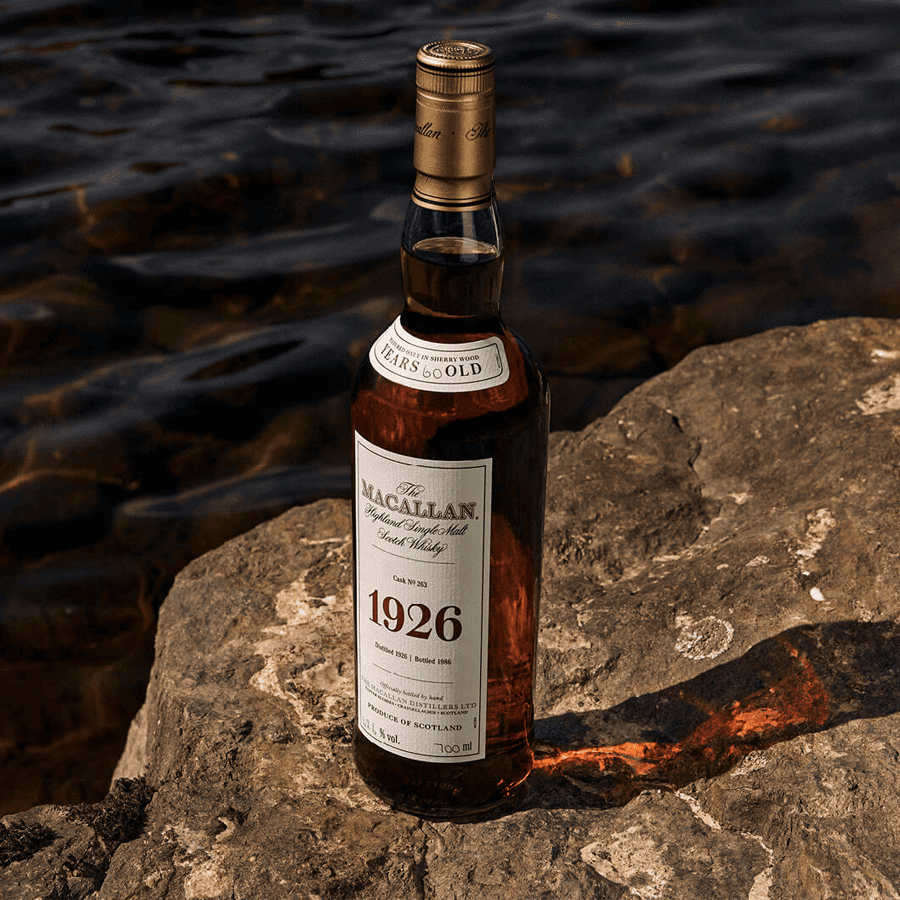
The Macallan
What they do: The Macallan’s digital presence leads with provenance detail, cask type, distillation year, warehouse conditions, rather than broad brand sentiment, and gates its most exclusive releases behind a structured enquiry and allocation process rather than an open cart.
Why it works: Every specific detail functions as a Spence-style costly signal. A mass-market spirits brand cannot casually replicate decades-long cask maturation data.
Key lesson: Specificity is what separates a qualified collector from a casual browser, and the website should be built to reward the former.
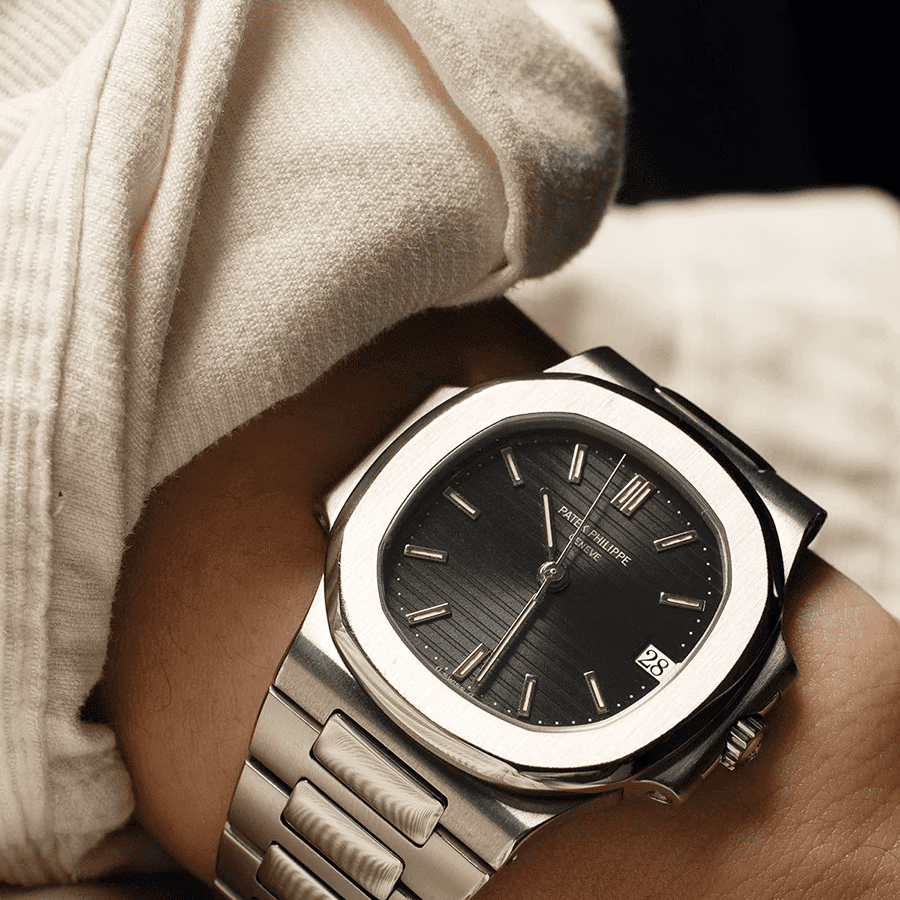
Patek Philippe
What they do: Patek Philippe’s owner-facing content centres on generational transfer and long-term stewardship rather than product specification, paired with an authorised retailer locator that routes serious enquiries to real conversations rather than online checkout.
Why it works: The messaging filters for buyers thinking in decades, not for someone comparing prices this weekend.
Key lesson: Removing frictionless purchase paths is sometimes the correct conversion strategy when the goal is qualified relationships, not transaction volume.

VistaJet
What they do: VistaJet’s digital funnel is built around a defined membership programme with published entry criteria, rather than a generic charter enquiry form, and content is structured around flight-hour commitment tiers.
Why it works: Prospects self-select against clearly stated thresholds before a sales conversation begins, so every inbound enquiry arrives pre-qualified.
Key lesson: Publishing clear qualification criteria upfront produces fewer, better leads than keeping entry requirements vague to avoid deterring volume.
Table: Where Qualified Lead Generation Breaks Down
| Stage of funnel | Common Mistake |
What qualified brands do instead |
| Targeting | Broad income-based audiences with no behavioural layer | Combine income proxy with intent and lifecycle signals |
| Messaging | Generic luxury adjectives with no specificity | Costly, hard-to-replicate signals: process, provenance, access |
| Landing Page | One generic form for all traffic | Structured enquiry paths that filter by intent and context |
| Trust | Vague reassurance and stock imagery | Named experts, specific case outcomes, transparent process |
| Conversion Optimisation | Optimising for form completion volume | Optimising for enquiry quality and sales-qualified conversion rate |

Luxury Lead Generation Is a Qualification Problem
- A conversion is not necessarily a successful outcome.
- A form submission from an unqualified visitor creates work for sales.
- A smaller number of well-qualified enquiries can create significantly more commercial value.
That means luxury brands should optimise for sales-qualified leads (SQLs) and qualified conversations, not simply form completion rate.
The best lead funnel is not the one that converts the most visitors. It is the one that converts the right visitors.

A Practical Framework:The Luxury Intent Qualification Model
Hotel and hospitality brands often talk about funnel stages. For lead-generation-led luxury sectors, a five-part model works better in practice.
- Define the threshold: Establish, explicitly, the minimum spend, commitment, or profile that constitutes a qualified prospect, and build every downstream asset around it
- Signal the threshold: Use messaging and content that only a genuine competitor at your tier could credibly produce
- Filter before the form: Design landing pages and enquiry paths that surface context and intent before submission, not after
- Route by quality: Ensure sales or concierge teams see enquiry context immediately, so response time and tone match the prospect’s evident intent
- Measure qualified conversion, not raw volume: Track sales-qualified lead rate and enquiry-to-conversation ratio as the primary KPI, not form submissions alone
This is not funnel theory for its own sake. It is the difference between a marketing team that can prove commercial impact and one that can only prove traffic.

Topical Authority Beats Rankings
Search visibility for luxury brands in 2026 is increasingly shaped by topical authority and structured, extractable content rather than keyword density or backlink volume alone. AI-driven search and answer engines now favour content that demonstrates depth across a subject, consistent expert authorship, and clearly structured, quotable sections, over content optimised purely for ranking signals. A luxury brand that publishes shallow, generic content across many keywords will lose visibility to a competitor publishing fewer, deeper, more authoritative pieces under a consistent expert voice. Authority, not rank position, is what both search engines and AI answer engines are now rewarding, and it is authority that produces qualified, high-intent traffic in the first place.
An Internal Perspective
“Luxury brands keep asking us for more traffic when the real gap is trust at the point of contact. You can rank on page one and still lose the enquiry if the landing page reads like everyone else’s. Qualification starts in the targeting brief, not the contact form.”
Richard Robertson, Analytics Specialist

The Wrap-Up
More traffic will not fix a luxury brand’s lead-generation problem if the wrong people are arriving.
The solution is precision: target stronger intent, communicate with specificity, qualify before the enquiry, and build enough trust for the right prospect to take the next step.
The best luxury lead funnels are not designed to maximise form submissions. They are designed to create commercially valuable conversations.
The goal is not more leads. It is more of the right leads.

Written by;
Ben Lilly, Founder of Giant Leap Digital
Giant Leap Digital is a Mayfair-based luxury digital marketing agency working with five-star hotels, fine jewellery houses, fashion, automotive, private aviation, and premium wine and spirits brands to build discovery strategy around how top-tier clients actually find a brand, not how the mass market does. We do not work in generalities.
FAQ’s
What is a qualified lead for a luxury brand?
A qualified lead is a prospect who meets a defined threshold, spend capacity, commitment level, or intent signal, and has engaged with content or a landing page specific enough to demonstrate genuine interest, not just casual browsing.
Why do luxury brands get high traffic but low-quality leads?
This typically happens when targeting relies on broad income proxies without behavioural or intent signals, and when landing pages use generic messaging that fails to filter or reassure the right prospect before they submit a form.
Does SEO still matter for luxury brand lead generation in 2026?
Yes, but topical authority and structured, expert-authored content now matter more than keyword-focused rankings, particularly as AI-driven search and answer engines prioritise depth and credibility over ranking position alone.
How can a luxury brand improve landing page conversion without discounting?
By stating clear qualification thresholds upfront, replacing generic forms with structured enquiry paths, and adding specific, verifiable trust signals, named experts, real case outcomes, transparent process, rather than relying on vague reassurance.
What is the biggest mistake luxury brands making in lead generation?
Optimising for lead volume rather than lead quality, which results in marketing teams that can report high traffic and form submissions but cannot demonstrate genuine commercial impact.
- SEO for Luxury Brands: Why Rankings No Longer Tell the Full Story
- What Makes Paid Media Feel Luxury Instead of Promotional? A Guide for Premium Brands
- Why Your Luxury Brand Isn’t Generating Enough Qualified Leads
- Luxury SEO in 2026: Why Rankings Don’t Equal Revenue
- Luxury Copywriting for HNW Clients: How to Write Copy That Converts

