SEO for Luxury Brands: Why Rankings No Longer Tell the Full Story
SEO for Luxury Brands: What Actually Moves Revenue
SEO for luxury brands has quietly split into two disciplines, and most agencies are still selling the wrong one. Ranking on page one for a broad, product-level term brings volume, and most of that volume comes from browsers, students, and journalists rather than buyers with genuine six-figure intent. For a five-star hotel group, a fine jewellery house, or a private aviation operator, the number that matters was never position one. It is whether the right person, already close to a decision, finds you first.
Marketing directors at this level already sense the shift. Organic traffic is holding, sometimes even climbing, yet enquiries from qualified guests, collectors, or owners haven’t moved with it. At the same time, a growing share of research now happens inside AI-generated answers before a search engine is ever opened, and being absent there doesn’t show up as a dip in any report you’re used to reading. The problem isn’t visibility. It’s the wrong kind of visibility, measured by the wrong instrument.
This guide details what drives online revenue for luxury brands: authority, qualified traffic, intent, and topical depth. It features an academic framework, three real-world examples outside typical luxury cases, an actionable model for this quarter, and supporting data explaining why this shift is essential.
Why Rankings Stopped Being the Point
Keyword tools were built for mass-market volume, and luxury search behaviour has never looked like that. A five-star property in the Algarve isn’t competing for “luxury hotel” a term with enormous volume and almost no purchase intent; it’s competing for the handful of specific, high-consideration queries a genuine buyer types once, late in their decision. Optimising for the wrong term and winning it is a hollow victory: high position, low relevance, no revenue attached.
The Four Things That Actually Move Revenue
Authority. Being recognised by search engines and AI systems alike as a credible, citable source on your category, not just a page that happens to rank.
Qualified traffic. Fewer visits, but a far higher proportion of them from people close enough to a decision to enquire.
Intent-matched content. Meeting the specific, high-value question a buyer is actually asking, not the generic one a keyword tool suggests.
Topical authority. Owning a subject in depth over time, rather than scattering unconnected posts across many loosely related terms.
Category Entry Points: The Model Worth Actually Using
The Ehrenberg-Bass Institute’s Category Entry Points framework, developed by Jenni Romaniuk and colleagues, argues that brands aren’t recalled through abstract awareness, they’re recalled in specific moments of need. A buyer doesn’t think “luxury hotel.” They think “somewhere discreet enough for a family wedding announcement that leaks to no one.” Traditional keyword research asks what people type. Category Entry Point thinking asks what situation, need, or context has to occur for your brand to be the one that comes to mind and then builds content around that moment, not the head term sitting above it.
SEO vs GEO: What Actually Changed
Generative Engine Optimisation measures something SEO never had to: whether an AI system chooses to name your brand at all. According to Similarweb’s 2026 Generative AI Brand Visibility Index, 35% of US consumers now use AI at the product discovery stage, against 13.6% who use traditional search; the shortlist is often set before a search bar is ever opened. The same research tracked a major hospitality brand across 180 luxury and travel prompts it should have owned outright and found it cited in just 7.2% of them. That percentage, Share of Model, is the new equivalent of rank position except there’s no page two to fall back to. You’re either part of the answer or invisible inside it.
Dimension
Traditional SEO
Generative Search Visibility
Goal
Earn organic visibility and qualified traffic
Increase the likelihood of being surfaced or cited in relevant AI answers
Success Metric
Rankings, qualified organic traffic and conversions
Mentions, citations and Share of Model across defined prompts
Discovery Moment
Search results and organic discovery
AI-assisted discovery and consideration
Content Requirement
Relevance, technical accessibility, authority and useful content
Clear structure, authoritative information, corroboration and extractable answers
Measurement Horizon
Usually measured over months
Early signals can emerge sooner, but durable visibility requires ongoing authority
“Clients don’t ask us to rank anymore, they ask if AI Overviews and ChatGPT mention them by name for the queries that actually matter. That’s a different brief, and most agencies haven’t rewritten it yet.”
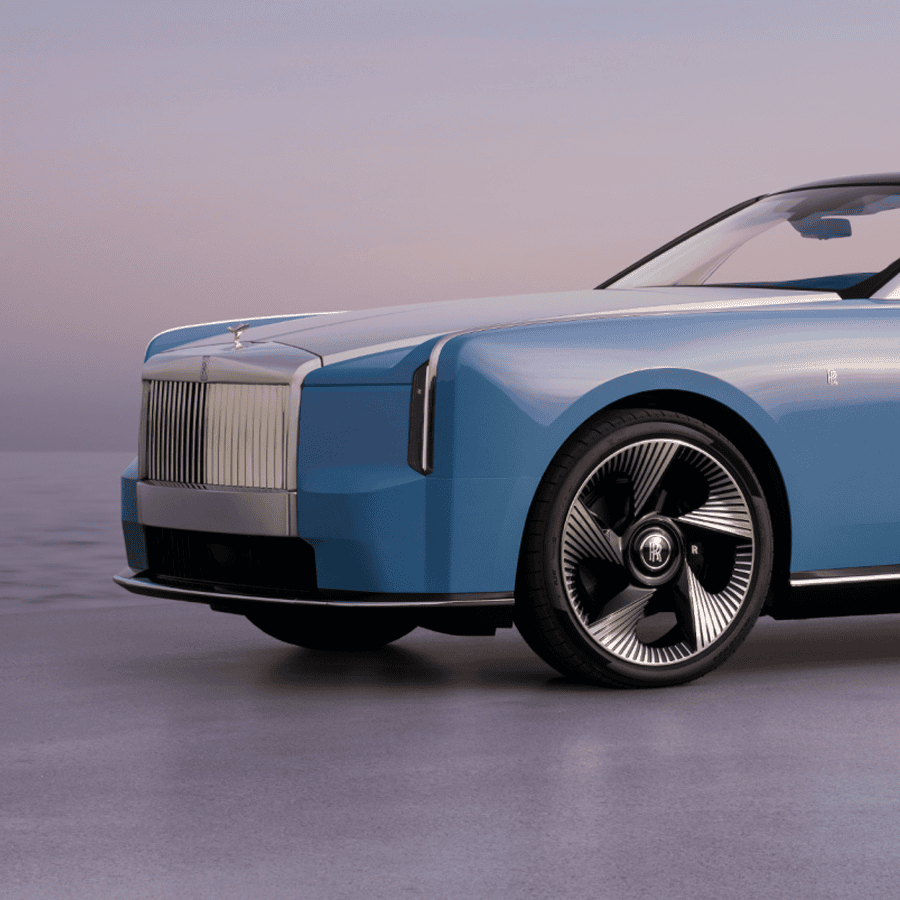
What they do: Publishes long-form editorial on the Bespoke commissioning process material sourcing, coach builder heritage, the specification decisions a first-time buyer actually has to make.
Why it works: It answers the real research-stage questions of someone commissioning a car, not generic “luxury car” terms with no buying intent behind them.
Key lesson: Content built around a decision process, not a product category, earns citation at the exact moment it matters.
Van Cleef & Arpels
What they do: Runs L’École, a standalone educational arm publishing in-depth content on gemology, jewellery history, and craftsmanship techniques, entirely separate from product marketing.
Why it works: Education-first content earns the kind of independent, citable authority that promotional copy never can, which is exactly what search engines and AI systems are built to trust and surface.
Key lesson: Separating expertise from sales pitch makes the expertise more credible, and more likely to be the source an AI system chooses to cite.
Knight Frank
What they do: Publishes the Wealth Report and ongoing prime-market data analysis on pricing trends, ultra-high-net-worth migration, and asset performance across global property markets.
Why it works: It’s the kind of rigorously sourced, frequently cited data content that journalists, other sites, and AI systems all reference as a primary source, compounding authority well beyond the property listings themselves.
Key lesson: Original data, published consistently, becomes infrastructure other content depends on and that dependency is what earns long-term citation.
A Practical Model: The Authority Ladder
Map Category Entry Points, not keywords. Identify the specific moments and needs that precede a purchase in your category.
Structure content for extraction. Clear headers, direct answers, definitions stated plainly — the format AI systems need to lift and cite you.
Earn third-party validation. Press mentions, expert quotes, and structured data all signal the credibility generative engines weight heavily.
Measure Share of Model, not rank. Track how often you’re named across the queries that matter, not where you sit on a results page.
Where Guest Journey Thinking Fits In
This isn’t separate from funnel thinking, it sharpens it. The inspiration stage is where Category Entry Point content earns a place in consideration; the high-intent stage is where it needs to convert without discounting. We covered that second half directly in How Luxury Hotels Increase Direct Bookings Without Discounting authority-led discovery and discount-free conversion are two ends of the same strategy, not two separate ones.
Key Takeaways
Rank position no longer correlates reliably with luxury-tier revenue.
Share of Model, how often you’re cited inside AI-generated answers, is the metric to start tracking now.
Category Entry Points, not keywords, should set your content plan.
Topical authority, built consistently over time, outperforms isolated high-effort pieces.
The brands winning this aren’t the loudest, they’re the most precisely structured to be cited.
The Wrap-Up
Revenue at this tier was never going to come from a ranking position, it comes from being the cited, trusted answer at the exact moment a qualified buyer is deciding. Effective SEO for luxury brands in 2026 means optimising for authority and Share of Model, not position.
The final takeaway: audit which Category Entry Points your brand should own, then rebuild your content plan around those moments before a competitor does it first.
If your brand is visible in search but absent from the conversations shaping high-value decisions, the problem may not be rankings. It may be authority. Giant Leap Digital helps luxury brands build search and discovery strategies around the moments that matter.
Written by, Hannah Blunt, Luxury Account Strategist.
Talk to Giant Leap Digital about your luxury SEO and GEO strategy, get in touch.
Giant Leap Digital is a Mayfair-based luxury digital marketing agency working with five-star hotels, fine jewellery houses, fashion, automotive, private aviation, and premium wine and spirits brands to build discovery strategy around how top-tier clients actually find a brand, not how the mass market does. We do not work in generalities.
FAQ’S
Does SEO still matter for luxury brands, of has GEO replaced it?
SEO is the foundation GEO depends on: crawlable, well-structured, authoritative content still has to exist before an AI system can cite it. Neither replaces the other.
What is the topical authority and why does it matter more than individual rankings?
It’s the accumulated credibility a brand builds by covering one subject in genuine depth over time, which is precisely the signal both search engines and AI systems use to decide who to trust and cite.
How do you measure ROI from AI-driven discovery?
Share of Model: the frequency with which your brand is named across a defined set of category-relevant AI prompts, is the closest current equivalent to rank tracking.
Should a luxury brand publish more content, or more authoritative content?
Authority, without exception. One precisely targeted, deeply researched piece addressing a genuine Category Entry Point will outperform a dozen generic ones.
How long does it take to see results from a GEO-led strategy?
Early citation signals can appear within weeks for well-structured, credible content; durable Share of Model gains typically build over three to six months.
The last couple of weeks have been like no other. While attention has been fixed on BBC sports presenters, Donald Trump’s potential arrest, and Putin and Xi sitting down for tea, there have been much darker undertones circling around the edges of the news cycles.
According to the Global Wealth Report 2021, the number of high net worth individuals (HNWIs) in the UK has grown steadily since the last recession in 2008.