
The most common media plan in fashion looks roughly the same regardless of brand tier: heavy investment in reach, a strong influencer programme, beautiful content, and a vague assumption that consideration and conversion will follow. For some categories, that logic holds. For fashion particularly at the premium and luxury end it is one of the most expensive misdiagnoses in marketing. Awareness is not the problem. Excess awareness spent relative to the rest of the funnel is.
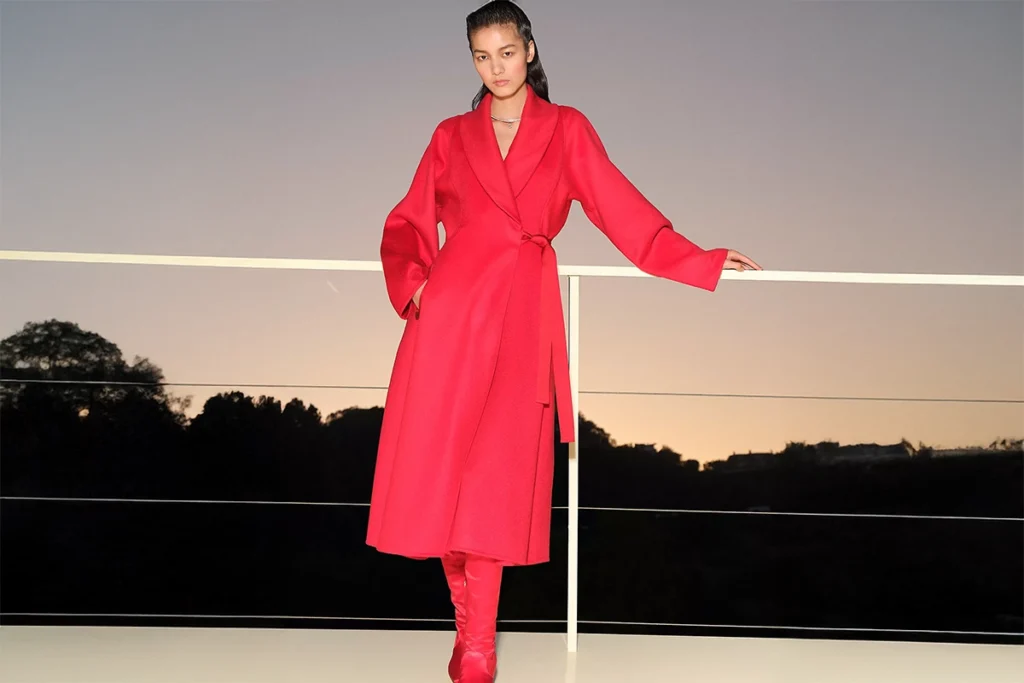
The Awareness Trap in Fashion Marketing
Fashion brands are visually led, culturally present, and deeply susceptible to the vanity of reach metrics. Impressions are easy to report. Brand search lifts are satisfying to present. Campaign launches generate energy. The awareness phase of any plan is also, almost always, the most aesthetically compelling work the agency produces.
The structural issue is straightforward. Most fashion brands have paid media mixes weighted 60 to 80 percent toward awareness and upper-funnel activity. Research from Nielsen and Analytic Partners consistently shows that for established brands with existing consumer recognition, incremental awareness spend generates diminishing returns far faster than brands typically model. Meanwhile, the mid-funnel; consideration, intent, re-engagement is chronically underinvested.

Understanding the Funnel Imbalance: Where Fashion Budgets Actually Go
The fashion industry’s awareness bias is structural, not accidental. It reflects how agency incentives are aligned, how brand equity has historically been built, and how campaign success is measured internally.
When a brand asks whether a campaign worked, the metrics most commonly cited are reach, frequency, share of voice, and brand awareness tracking scores. These are upper-funnel outputs. Almost no fashion brand routinely measures mid-funnel engagement quality, consideration rate by audience segment, or the conversion impact of retargeting spend relative to prospecting spend.
What gets measured gets funded. And what gets funded, in fashion, is almost always reach. The Byron Sharp mental availability model; from ‘How Brands Grow’ is frequently cited to justify awareness spend. The argument runs that brands must remain salient across the broadest possible buying population. Sharp’s research is credible and the principle is sound for FMCG categories with frequent purchase cycles. Fashion, particularly at premium and luxury price points, is not that category. Purchase cycles are long, consideration is deliberate, and the buying population is narrow. Applying mass-market mental availability logic to a brand with a genuine audience of tens of thousands rather than tens of millions produces exactly the kind of overinvestment this piece is describing.
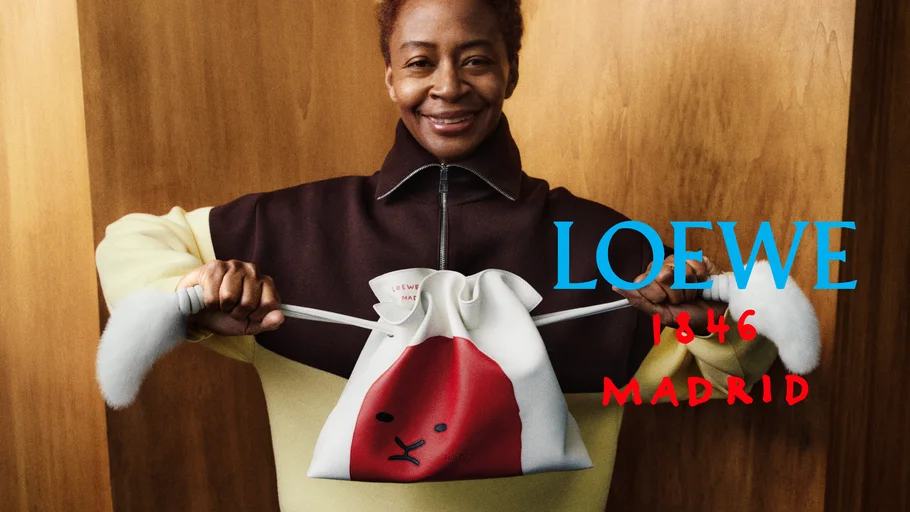
How Premium Fashion Brands Get This Right
The brands that have shifted channel mix toward the mid and lower funnel without sacrificing brand equity share a common characteristic: they treat awareness as a foundation, not a destination.
- Jacquemus has built exceptional brand visibility on minimal media spend by concentrating on cultural moments, a runway on a salt flat, a pop-up in an unexpected location that generates earned awareness and organic reach. The paid investment is then concentrated on converting the interest that organic activity creates. The result is a brand that punches well above its media weight because the funnel below awareness is genuinely well-built.
- Net-a-Porter operates one of the most sophisticated mid-funnel programmes in premium fashion retail. Abandoned browser retargeting, editorial-led email sequences tied to purchase intent signals, and personalised product curation based on browsing behaviour all work on the consideration-to-conversion segment of the funnel. Their awareness is substantial, but it is the mid-funnel infrastructure that generates the revenue.
- Bottega Veneta famously exited social media in January 2021 deleting its Instagram, Facebook, Twitter, and Weibo accounts entirely. Rather than signalling a retreat from marketing, it was a deliberate repositioning of where brand energy is spent: community, product quality, and the retail experience. The brand’s desirability increased materially in the period that followed. Removing awareness channels forced internal focus onto conversion and retention of the parts of the funnel that actually produce revenue.

The Five Stages of a Rebalanced Fashion Funnel
For fashion brands looking to audit and correct their funnel imbalance, the following framework provides a practical starting point.
- Stage 1: Audit. Map current budget allocation against each funnel stage. Most brands discover the imbalance is worse than assumed once media spend is categorised correctly.
- Stage 2: Define the mid-funnel. Identify the audience segments that have demonstrated intent site visitors, video completions above 75%, CRM subscribers who have not yet purchased, past purchasers at risk of lapsing. These are your highest-value conversion targets.
- Stage 3: Build consideration infrastructure. Paid social retargeting, dynamic product ads, editorial content sequences, and personalised email programmes targeting the intent audience. This is not generic awareness creative repurposed for retargeting. It requires dedicated mid-funnel creative and messaging.
- Stage 4: Invest in loyalty mechanics. The fashion industry’s repeat purchase rates are structurally low. A customer who buys twice is exponentially more valuable than one who buys once. Post-purchase communication, exclusive access, and early-drop privilege for returning customers are cheap to build and materially impact lifetime value.
- Stage 5: Redefine success metrics. Replace reach and frequency as primary KPIs with consideration rate, mid-funnel engagement rate, and revenue attributed to retargeting and CRM. The plan changes when the measurement changes.
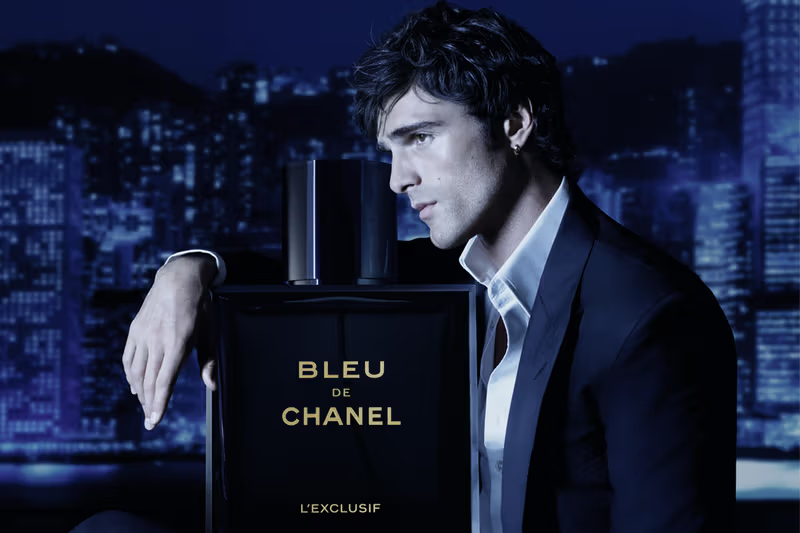
The Customer Journey in Premium Fashion: Where Brands Lose Revenue
Understanding where the customer journey breaks is more valuable than investing in a wider top of the funnel. For premium and luxury fashion brands, the journey typically looks like this.
| Discovery: | The consumer encounters the brand through editorial, social, a peer recommendation, or paid media. Awareness is created. Most brand investment stops here. |
| Research phase: | The consumer visits the website, explores multiple product categories, potentially returns two or three times across different devices. This phase is where most fashion brands have almost no active marketing working. |
| Consideration: | The consumer has a shortlist. They are comparing, reading reviews, checking return policies, assessing whether the brand is right for them. This is the most important and most underserved phase of the fashion buying journey. |
| Purchase intent: | The consumer adds to the basket or saves a product. Conversion rates at this stage should be high. For most fashion brands, they are not because the abandonment follow-up infrastructure is inadequate. |
| Post-purchase: | The consumer receives their order. What happens next determines whether they become a second-time buyer. In most fashion brands: very little. |
The revenue loss in premium fashion is concentrated in the research, consideration, and post-purchase phases. None of them are awareness problems.

What Overinvestment in Awareness Actually Costs
The cost is not simply the budget allocated to awareness campaigns that deliver diminishing returns. It is the opportunity cost of the mid-funnel investment that did not happen. A brand spending £500,000 on awareness activity with a 2% mid-funnel conversion rate is generating 10,000 consideration-stage consumers.
If that brand then has no effective retargeting programme, no consideration-stage content, and no loyalty mechanics, a significant proportion of those 10,000 people will purchase elsewhere from a competitor whose mid-funnel is better built, or from a multi-brand retailer who recaptures their intent through its own paid media. Awareness spend, in this scenario, is effectively subsidising competitors with better conversion infrastructure.
The brands that win in premium fashion over the medium term are not the ones with the most reach. They are the ones that convert the reach they already have.

Key signals that a fashion brand is overinvested in awareness:
- High brand awareness scores paired with declining organic search volume for brand terms
- Strong social following with low engagement rate and even lower traffic-to-site conversion
- Media plans weighted toward prospecting with minimal budget allocated to retargeting
- No structured CRM programme for lapsed customers or post-purchase retention
- Campaign reporting that leads with reach and impressions rather than revenue attribution
- Customer acquisition costs rising year-on-year despite growing brand recognition
The brands that will build durable, profitable digital performance in the years ahead are not the ones with the largest reach. They are the ones disciplined enough to convert it.
At Giant Leap Digital, we work with premium and luxury fashion brands to build media strategies that are genuinely full-funnel, precision audience targeting at the top, sophisticated retargeting and consideration infrastructure in the middle, and loyalty mechanics that compound customer lifetime value over time.

Written by, Hannah Blunt: Luxury Account Strategist
FAQ’s
What does it mean for a fashion brand to overinvest in awareness?
It means allocating a disproportionate share of media budget to top-of-funnel reach and impression-based activity while underinvesting in the consideration, retargeting, and retention stages where conversion actually happens. The brand becomes widely seen but poorly converted.
How should fashion brands rebalance their marketing funnel?
Begin with an honest audit of where the budget is currently allocated by funnel stage. Most brands find the imbalance significant once media spend is correctly categorised. Shift incremental budget toward mid-funnel retargeting, consideration-stage content, post-purchase CRM, and loyalty mechanics all of which typically generate higher returns than additional awareness spend for an established brand.
Does awareness spend still matter for luxury and premium fashion bra
Yes, but the relationship between awareness spend and revenue is not linear, particularly for established brands with existing consumer recognition. Awareness creates the pool. The mid and lower funnel determines what proportion of that pool converts into revenue. Both matter; the issue is balance.
Which fashion brands handle mid-funnel investment well?
Net-a-Porter operates one of the most sophisticated consideration-to-conversion programmes in premium fashion. Jacquemus concentrates paid investment on converting organically created interest rather than buying reach. Both demonstrate that brands with strong mid-funnel infrastructure generate more revenue from the same or lower awareness investment.
How do you measure whether a fashion brand’s funnel is correctly balanced?
Look at the ratio of awareness spend to conversion spend, track consideration rate and mid-funnel engagement quality alongside reach metrics, and measure revenue attributed to retargeting and CRM programmes separately. If the majority of attributed revenue comes from prospecting rather than retargeting, the funnel is almost certainly imbalanced. The fashion industry’s obsession with awareness is, at its core, an aesthetic preference masquerading as a strategy. Beautiful campaigns are satisfying to make and easy to present. Mid-funnel infrastructure is less glamorous and harder to attribute cleanly. But it is where the revenue is.
- SEO for Luxury Brands: Why Rankings No Longer Tell the Full Story
- What Makes Paid Media Feel Luxury Instead of Promotional? A Guide for Premium Brands
- Why Your Luxury Brand Isn’t Generating Enough Qualified Leads
- Luxury SEO in 2026: Why Rankings Don’t Equal Revenue
- Luxury Copywriting for HNW Clients: How to Write Copy That Converts

