
Most luxury digital marketing still gets planned channel by channel, with content briefed separately from paid, CRM briefed separately from social, and search treated as somebody else’s job. That approach was always inefficient. In 2026 it’s become genuinely costly, because luxury clients now experience a brand as one continuous impression, not a set of disconnected campaigns. This is the guide Giant Leap gives clients when they ask what actually needs to change, not a channel-by-channel checklist.
What We Mean by Digital Marketing for Luxury
At Giant Leap Digital, we treat digital marketing for a five-star hotel, a jewellery house, or a premium spirits brand as one discipline: content, paid media, CRM, creator partnerships, and search working from a single strategy rather than five separate ones. Most of the underperformance we’re asked to fix at Giant Leap doesn’t come from a weak channel. It comes from channels contradicting each other. Fixing that is a strategy problem before it’s a tactics problem, and it’s where we start with every client.

Content Still Does the Heaviest Lifting
Content remains the foundation everything else sits on, paid media, social, and search all perform better or worse depending on what they’re pointing to. Luxury content in 2026 needs to do double duty: read well for a discerning human, and hold up as a credible, specific source that search engines and AI tools alike can trust and cite. Vague brand language does neither job. Specific detail, provenance, craftsmanship, service standards, named specialists, does both.
Paid Media Has Grown More Precise, Not More Aggressive
Programmatic and paid social targeting has become sharper, but luxury audiences are more sensitive to being over-targeted than ever, with a significant share of customers disengaging when personalisation feels intrusive or mistimed. The brands getting paid media right in 2026 are spending less on volume and more on precision, narrower audiences, better creative, fewer but more relevant touches. This is a shift we’ve been building into paid strategy at Giant Leap because reach without relevance now actively damages brand perception rather than simply wasting budget.

Personalisation Without the Guesswork
58% of shoppers are comfortable with AI-assisted personalisation.
64% don’t trust what happens to their data afterwards.
That gap is the entire personalisation brief for 2026: earn the data, don’t infer it. Zero-party data, preferences, occasions, stated intent volunteered directly through a concierge form or preference centre, converts more reliably than behavioural guesswork, and it doesn’t leave the client wondering how you knew. Most customers need three to five relevant touchpoints before acting. A single personalised email is not a strategy. It’s a test.
Search Now Has Two Audiences, Not One
“Traditional search still matters, but a growing share of luxury research now happens inside an AI-generated answer built from a small number of trusted sources rather than a page of results.”
Hannah Blunt, Luxury Account Strategist
This doesn’t replace SEO. It sits alongside it, and needs its own content approach, structured, specific, independently corroborated facts rather than persuasive copy alone. It’s one part of a broader search strategy, not the whole of it.

Creator Partnerships Are Being Re-Priced
Follower count is losing ground fast as a selection criterion for luxury creator partnerships, replaced by genuine taste alignment and long-term advocacy. A smaller creator with real affinity for a brand now regularly outperforms a larger one with borrowed reach. This is a recalibration in how partnerships get briefed and measured, not a new channel, and it’s changed how we structure creator scopes for clients across hospitality, fashion, and spirits.

The Five Layers of Luxury Digital Presence
A model we use at Giant Leap to audit where a client’s marketing budget is actually going versus where it needs to sit. Most luxury marketing budgets concentrate in one or two of these layers and neglect the rest, which is usually visible to the client even when they can’t name what feels missing.
- Substance: specific, factual content, about craftsmanship, sourcing, service, that holds up under scrutiny from a human or a search algorithm.
- Sense: augmented reality, 3D configuration, virtual try-on, anything that replicates a sensory judgement a client would otherwise need to be in the room for.
- Selective personalisation: experiences built from data the client volunteered, not data inferred from behaviour they didn’t consent to being tracked on.
- Social proof: creator and client advocacy chosen for genuine affinity with the brand, not audience size.
- Seamless service: a human handoff at the point a digital interaction reaches its limit, matched to the standard the brand promises everywhere else.

Traditional Approach Versus the 2026 Luxury Approach
| Traditional approach | 2026 luxury approach |
| 1. Plans content, paid, CRM, and social as separate workstreams 2. Personalises from inferred behavioural data 3. Judges creator partnerships by reach and follower count 4. Optimises for search engine ranking only 5. Measures channels individually against channel-specific targets | 1. Plans every channel from one coherent strategy and brand voice 2. Personalises from data the client explicitly volunteered 3. Judges creator partnerships by affinity and longevity 4. Optimises for search ranking and emerging AI-mediated discovery 5. Measures the client’s experience as a whole, not just individual touchpoints. |
What This Looks Like Applied
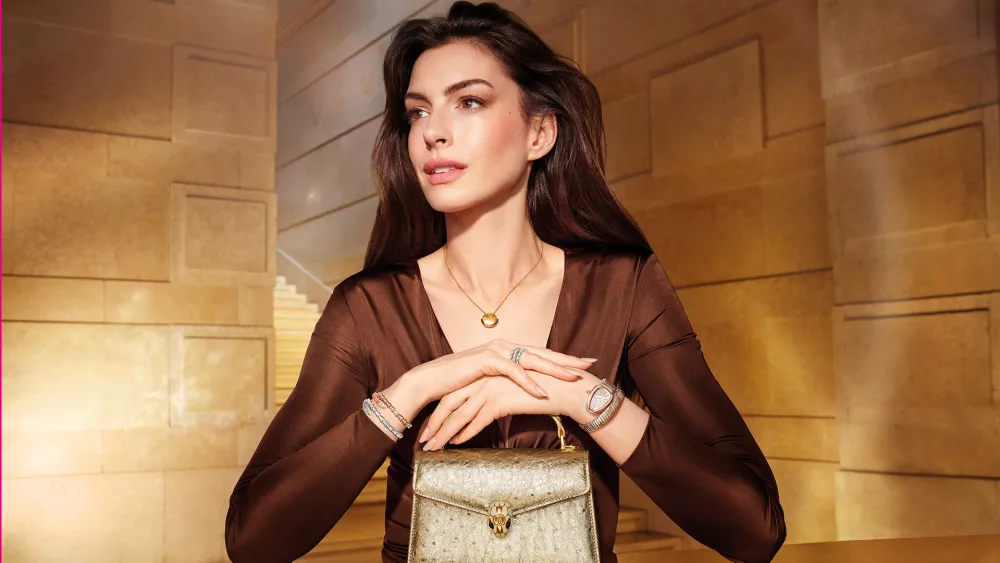
Bulgari lets clients rotate, zoom, and virtually try on jewellery and watches before ordering, closing the gap between browsing and boutique inspection. Bentley’s configurator frames specification as a material and craftsmanship story, not a checkbox list. Krug’s Krug ID lets a client trace the exact blend behind their bottle, rewarding curiosity with detail rather than a fast checkout. Belmond sells destination and narrative before it sells a room type, and its content, paid, and social all reinforce that single idea rather than working against each other.
Guest Journey Mapping Across Every Channel
Guest journey mapping only works when it accounts for every channel a client might encounter, paid social, organic content, email, an AI-generated summary, a concierge call, rather than mapping one channel in isolation. This builds directly on the direct booking thinking in our piece How Luxury Hotels Increase Direct Bookings Without Discounting, where we mapped guest value at every stage of the booking journey rather than defaulting to price. The same discipline applies across the full marketing mix, not just the booking engine.
Where Budget Should Actually Move
- One content strategy briefed across search, social, and paid, not three separate briefs
- CRM and preference-centre infrastructure built on data clients gave you willingly
- Paid media weighted toward precision and relevance over reach and frequency
- Creator partnerships chosen for taste alignment, reviewed quarterly, not by follower count
- A named human contact behind every digital touchpoint, not an automated system as the final word.

Key Takeaways
- Luxury digital marketing performs best as one coordinated strategy across content, paid, CRM, and creator partnerships, not five disconnected channels.
- Zero-party data, given willingly, converts more reliably than inferred behavioural data, and it doesn’t cost you client trust to use it.
- Paid media is working better at lower volume and higher precision, reflecting how sensitive luxury audiences now are to irrelevant targeting.
- Search has two audiences now, human and AI-mediated, and needs one strategy that serves both without treating either as an afterthought.
Giant Leap Digital is a Mayfair-based luxury digital marketing agency working with hotels, private members clubs, ultra-premium spirits, independent auction houses, and emerging luxury brands to build the precision marketing infrastructure that drives sustained commercial performance. We do not work in generalities.

Written By: Ben Lilly, Founder of Giant Leap Digital
FAQ’S
What’s the biggest shift in luxury digital marketing for 2026.
Coordination. Brands that plan content, paid, CRM, and creator partnerships from one strategy are consistently outperforming those still briefing each channel separately.
How should luxury brands handle personalisation without damaging trust
Use zero-party data the client volunteers directly, through preference centres or concierge conversations, rather than inferred behavioural data, and expect several relevant touchpoints before a client acts, not one.
Does influencer marketing still work for luxury brands.
Reach-based influencer spend is losing effectiveness. Creator partnerships chosen for genuine taste alignment and reviewed for longevity outperform audience size as a selection criterion.
Do luxury brands still need to invest in SEO.
Yes. Traditional search remains a primary discovery channel, and it now needs to sit alongside a strategy for AI-mediated search rather than being replaced by one.
Who does Giant Leap Digital work with.
Giant Leap Digital is a Mayfair-based agency working with five-star hotels, premium hospitality, fashion, jewellery, automotive, travel, and spirits brands on marketing strategy that spans content, paid, CRM, and creator partnerships as one coordinated approach.
- SEO for Luxury Brands: Why Rankings No Longer Tell the Full Story
- What Makes Paid Media Feel Luxury Instead of Promotional? A Guide for Premium Brands
- Why Your Luxury Brand Isn’t Generating Enough Qualified Leads
- Luxury SEO in 2026: Why Rankings Don’t Equal Revenue
- Luxury Copywriting for HNW Clients: How to Write Copy That Converts

