Luxury at a Crossroads
Luxury has long been defined by rarity rare craftsmanship, rare access, rare opportunity. But in 2026, scarcity alone is no longer enough. After years of price hikes and post-pandemic boom, the industry now faces an unexpected challenge: fatigue.
Consumers, even at the top end of the market, are rethinking what luxury means and how it makes them feel. The emotional resonance that once set high-end brands apart has dulled under economic pressure and performative exclusivity. As a result, luxury retail finds itself at a crossroads: evolve into something more human, or risk becoming background noise. The next era of luxury will not be driven by goods, but by good feeling. It’s an era that demands less transaction and more transformation.
From Ownership to Immersion
Recent market data reveals a shift that’s as symbolic as it is strategic: luxury goods are slowing, while luxury experiences are accelerating. Consumers are spending less on items and more on moments. Travel, culture, and wellbeing are now the growth engines of luxury not handbags or high jewellery. This evolution speaks to a deeper desire: meaning. Modern high-net-worth individuals and luxury aspirants alike want experiences that feel emotionally intelligent and personally significant. They’re seeking stories they can belong to, not merely brands they can buy from.
For retailers, this means reimagining the store not as a point of sale, but as a point of connection. Each space becomes a stage for immersion whether that’s through private lounges, cultural collaborations, or intimate moments of discovery that make the consumer feel known.
Emotional Currency: Experience Over Acquisition
Luxury consumers are no longer impressed by access alone. They crave experiences that feel exclusive in sentiment, not just setting. The challenge for brands is to design intimacy at scale to make every touchpoint feel personal, privileged, and memorable.
This emotional economy extends beyond the boutique. Hospitality, travel, and wellness are merging into retail, forming new “ecosystems of experience.” Whether it’s a private salon in a luxury terminal, an art-led event series, or digital storytelling that feels bespoke, the opportunity lies in orchestrating moments that money alone can’t buy. The most forward-thinking brands are building emotional architectures retail that engages all the senses and restores a sense of wonder. In this new paradigm, the luxury purchase is the byproduct, not the purpose.
Culture as the New Capital
Luxury’s future lies not in louder statements, but in deeper roots. Across markets, 95% of luxury brands now consider their connection with art and culture essential to their identity. And it’s easy to see why culture humanises luxury. It grounds prestige in purpose. Cultural guardianship is fast becoming a defining strategy for the world’s most enduring brands. By partnering with artists, commissioning new work, or supporting emerging creative communities, brands can transcend commerce and become curators of culture. But it’s more than sponsorship; it’s stewardship. True relevance requires consistent investment in young voices, local craftsmanship, and long-term creative ecosystems. The luxury consumer of tomorrow doesn’t just want to wear a brand; they want to align with its worldview.
Meeting Consumers in Their Worlds
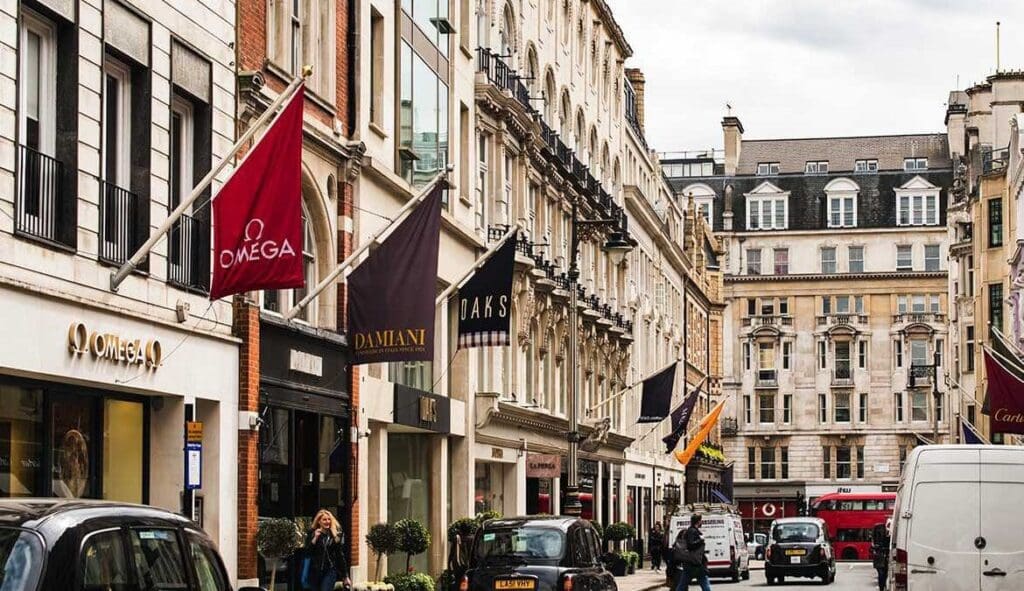
Today’s luxury buyers are mobile, digital, and discerning. They live between cities, between homes, between worlds. To reach them, brands must go where their audiences already are hotels, airports, members’ clubs, and cultural events turning those spaces into living extensions of the retail experience. This is the art of “nomadic luxury”: meeting consumers in the flow of their lifestyle, not waiting for them to step into a store. Concierge-style delivery, in-hotel trunk shows, and data-driven loyalty systems are reconfiguring service for a generation that values time above all else. Technology can support this shift, but it must do so invisibly amplifying human connection rather than replacing it. AI-assisted clienteling, predictive personalisation, and responsive digital touchpoints are only as powerful as the emotion they enable.
Niche Is the New Universal
If culture gives luxury depth, niche gives it identity.
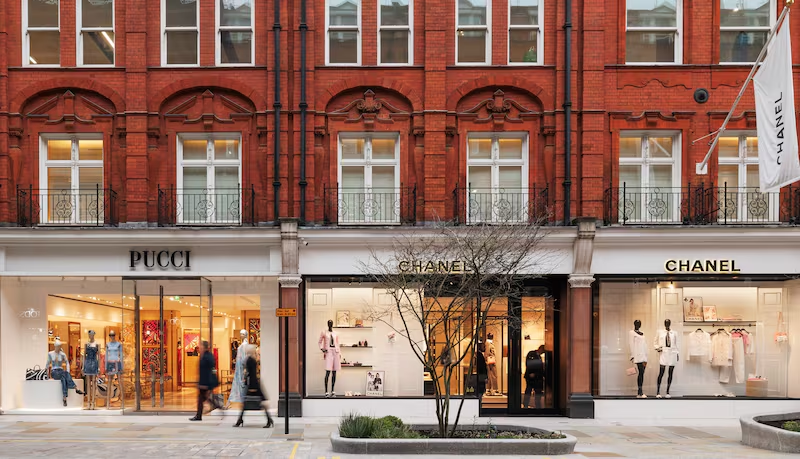
Younger consumers especially Gen Z and emerging Gen Alpha are shaping a new era of aspiration rooted in authenticity. They align with brands that mirror their passions, whether that’s sport, music, art, or analogue craftsmanship. This cultural realignment has redefined exclusivity. Luxury is no longer a closed circle; it’s a shared language of interests and influence. Retailers that lean into niche communities hosting events, collaborations, or immersive pop-ups around those passions can cultivate loyalty through belonging. What unites these audiences isn’t income, but intent. The power of luxury lies not in how few can afford it, but in how deeply it resonates with those who do.
Emerging Markets, Expanding Mindsets
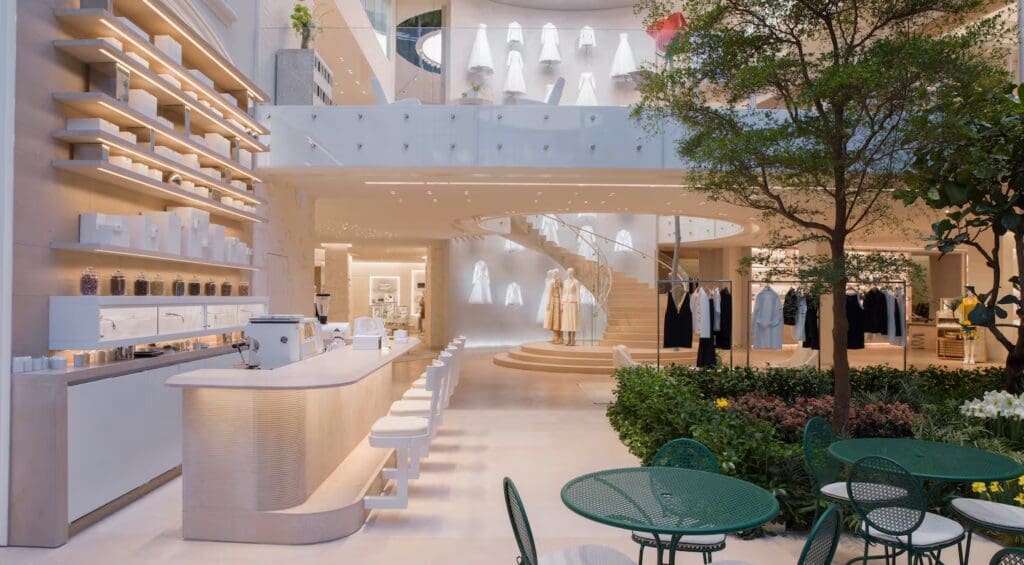
While legacy markets plateau, growth is accelerating in regions such as India, Southeast Asia, Latin America, and Africa projected to add tens of millions of new luxury consumers by 2030. These audiences bring with them diverse cultural codes, digital fluency, and a desire for brands that both respect and reflect their local identity. The opportunity for global houses lies in localisation not just adapting campaigns, but co-creating with local artists, designers, and entrepreneurs. As the definition of luxury globalises, cultural authenticity becomes the currency of credibility. Success will depend not on who shouts the loudest, but on who listens best.
The Return of Feeling
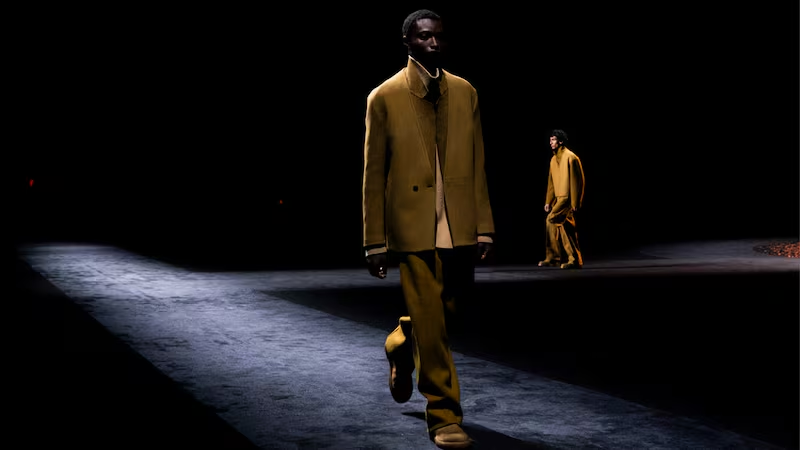
After decades of disruption, digitisation, and display, luxury is returning to its emotional core. The modern consumer doesn’t need more they need to feel more. The next frontier for luxury retail isn’t expansion; it’s intimacy. Brands that can evoke feeling through storytelling, service, and sincerity will not only survive the slowdown but redefine success itself. Because ultimately, luxury has never been about what we own. It’s about how something makes us feel.
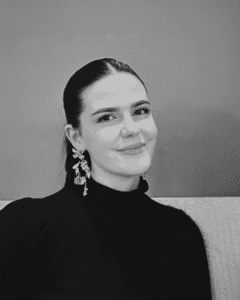
Luxury Account Strategist