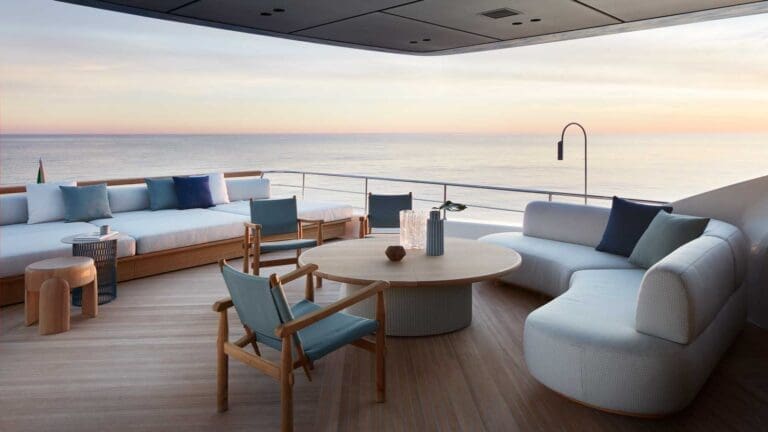
After a turbulent few years, the luxury sector is entering 2026 with a renewed sense of clarity. Not complacency, but confidence. While macroeconomic pressures, geopolitical uncertainty and shifting consumer behaviour haven’t disappeared, the industry is beginning to find its rhythm again. For brands willing to adapt, refine and lead, the year ahead offers meaningful opportunity.
At Giant Leap Digital, we see 2026 as a reset rather than a rebound. Growth will not come from chasing volume, but from sharpening relevance, deepening emotional connection and delivering value that genuinely earns its price tag.
A market that’s stabilising not shrinking
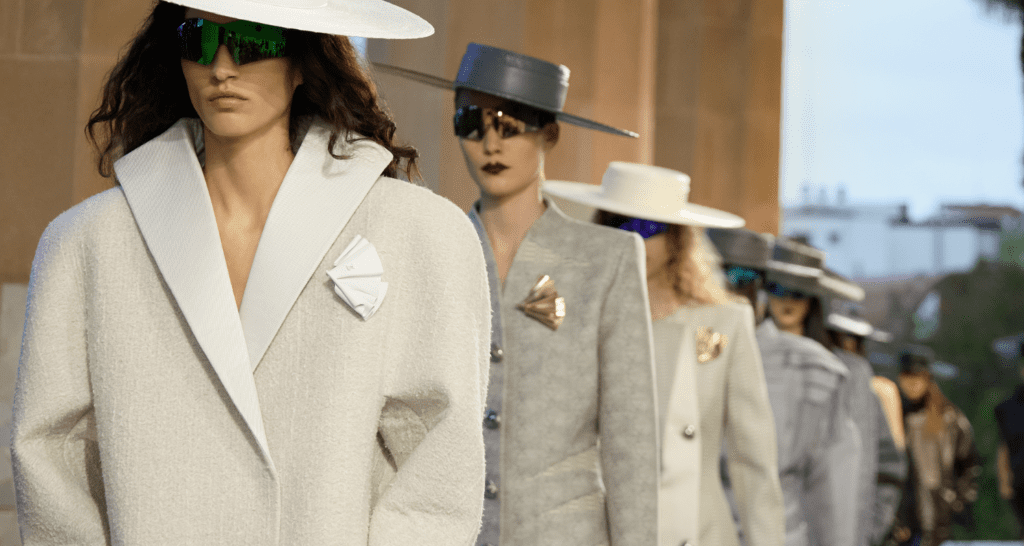
Global luxury has proven its resilience. After the post-pandemic surge, the market has naturally recalibrated, returning to a more sustainable pace of growth. While spending dipped slightly year-on-year, it remains well above pre-2019 levels a sign not of decline, but of normalisation. In practical terms, this means brands can no longer rely on excess demand to mask weak strategy or inflated pricing. Performance in 2026 will reward discipline, creativity and long-term thinking.
The segments setting the pace
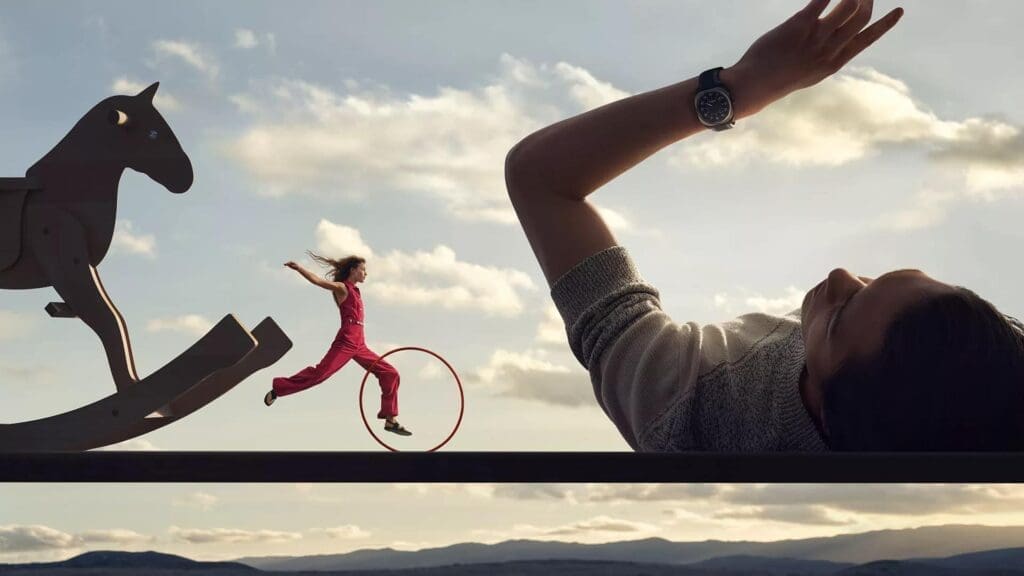
Performance across luxury categories has been uneven and telling. High jewellery and iconic watches continue to outperform, driven by their perceived longevity, emotional value and investment appeal. At the more accessible end of the spectrum, beauty, fragrance and eyewear remain strong entry points, offering immediacy and desirability without long-term commitment.
Conversely, categories that expanded aggressively in recent years particularly leather goods and ready-to-wear are facing increased scrutiny. Consumers are asking harder questions about quality, differentiation and value.
One of the clearest signals? The continued rise of experience-led luxury.
From ownership to experience
Luxury travel, hospitality, gastronomy and cultural experiences are no longer adjacent to the sector they are central to it. Across generations and income brackets, consumers are prioritising memories over materials. The brands winning here are those designing moments that feel personal, intimate and emotionally charged. Hyper-personalisation, limited-run experiences and unexpected collaborations are no longer nice-to-haves; they’re table stakes. Food-led luxury is a particularly interesting space. Younger consumers are driving demand for elevated yet informal dining, while traditional luxury audiences are embracing indulgent, affordable treats that feel celebratory without being excessive.
Value is back in the spotlight
Luxury pricing has entered a moment of reckoning. Today’s consumer is informed, discerning and unafraid to walk away if something doesn’t feel justified. This doesn’t signal a race to the bottom far from it. The brands that will thrive are those that articulate value clearly: through craftsmanship, materials, design integrity and longevity. When price and product fall out of alignment, trust erodes quickly. This is where British luxury holds a quiet advantage. Craft-led products, built to last and priced with integrity, align naturally with what modern luxury consumers are seeking provided the story is told well.
The modern luxury customer is complex
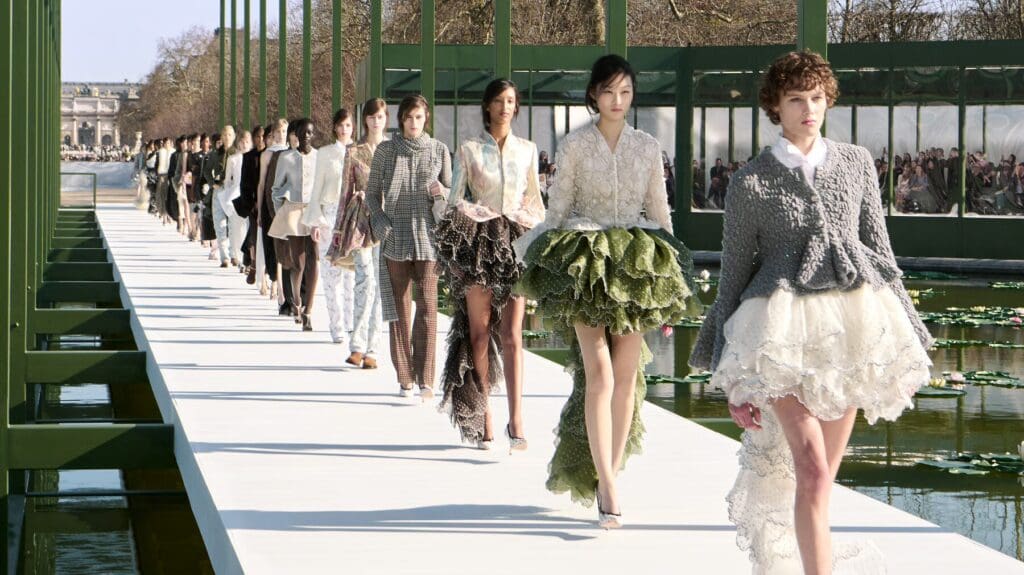
One of the most important shifts heading into 2026 is the makeup of the luxury audience itself. Despite global wealth increasing, the active luxury consumer base has contracted a reminder that affluence alone no longer guarantees engagement. Luxury brands are now speaking to multiple generations simultaneously, across cultures, value systems and expectations. To cut through, three pillars matter more than ever:
- Storytelling that captivates and entertains
- Emotion that builds desire, memory and loyalty
- Ethics embedded throughout the business, not just at surface level
In short: relevance must be earned continuously.
Where growth will come from
Geographically, opportunity in 2026 will be uneven but significant.
- Europe will see steady, modest growth, with Southern markets outperforming traditional powerhouses.
- The Middle East continues to accelerate, driven by both local demand and inbound luxury tourism.
- The US remains a critical market, resilient despite currency and trade complexities.
- China is stabilising, with gradual improvement expected through increased outbound travel.
- Emerging markets from Southeast Asia to Latin America are smaller, but increasingly influential.
- India stands out as a long-term strategic opportunity, particularly for British brands with heritage, craftsmanship and cultural relevance.
Six principles for winning in 2026
As we look ahead, the brands set to lead share a common mindset:
- They create momentum, rather than waiting for perfect conditions.
- They design moments that feel unmissable, not interchangeable.
- They never assume loyalty, continually earning attention and trust.
- They deliver value with confidence, not apology.
- They invite people in, balancing aspiration with warmth and humanity.
- They modernise heritage, making craftsmanship feel contemporary and relevant.
Looking forward
Luxury in 2026 will be less about scale, and more about substance. Less about visibility, and more about meaning.
For brands ready to refine their positioning, invest in experience and communicate value with clarity, the year ahead offers real upside. The challenge is not whether luxury will grow but which brands will deserve to. At Giant Leap Digital, we partner with luxury businesses navigating exactly this moment: helping them translate heritage into relevance, data into insight, and ambition into measurable growth.
The next chapter of luxury is already being written. The question is who’s shaping it.

Written by Ben Lilly
Founder of Giant Leap Digital