
At the same time, luxury consumers are buying less frequently. More than 60% of global luxury consumers now actively assess price increases against perceived quality, brand behaviour and experience, up from under 40% prior to 2023. This shift reflects a consumer base that is not disengaging from luxury, but interrogating it more rigorously.
In this context, emerging luxury brands are not those chasing visibility or scale, but those designed to withstand scrutiny.
Redefining “emerging luxury” in 2026
Historically, emerging luxury was associated with rapid growth, trend responsiveness and cultural novelty. In 2026, these characteristics are insufficient — and in some cases counterproductive.
An emerging luxury brand today is defined by:
- clarity of value proposition
- emotional specificity rather than broad aspiration
- marketing systems capable of sustaining loyalty
- disciplined expansion and controlled distribution
Importantly, many brands reshaping the market are not new. They are re‑emerging through repositioning, renewed cultural relevance or superior brand management. Emerging luxury in 2026 is therefore a structural designation, not a temporal one.
From status signalling to emotional utility
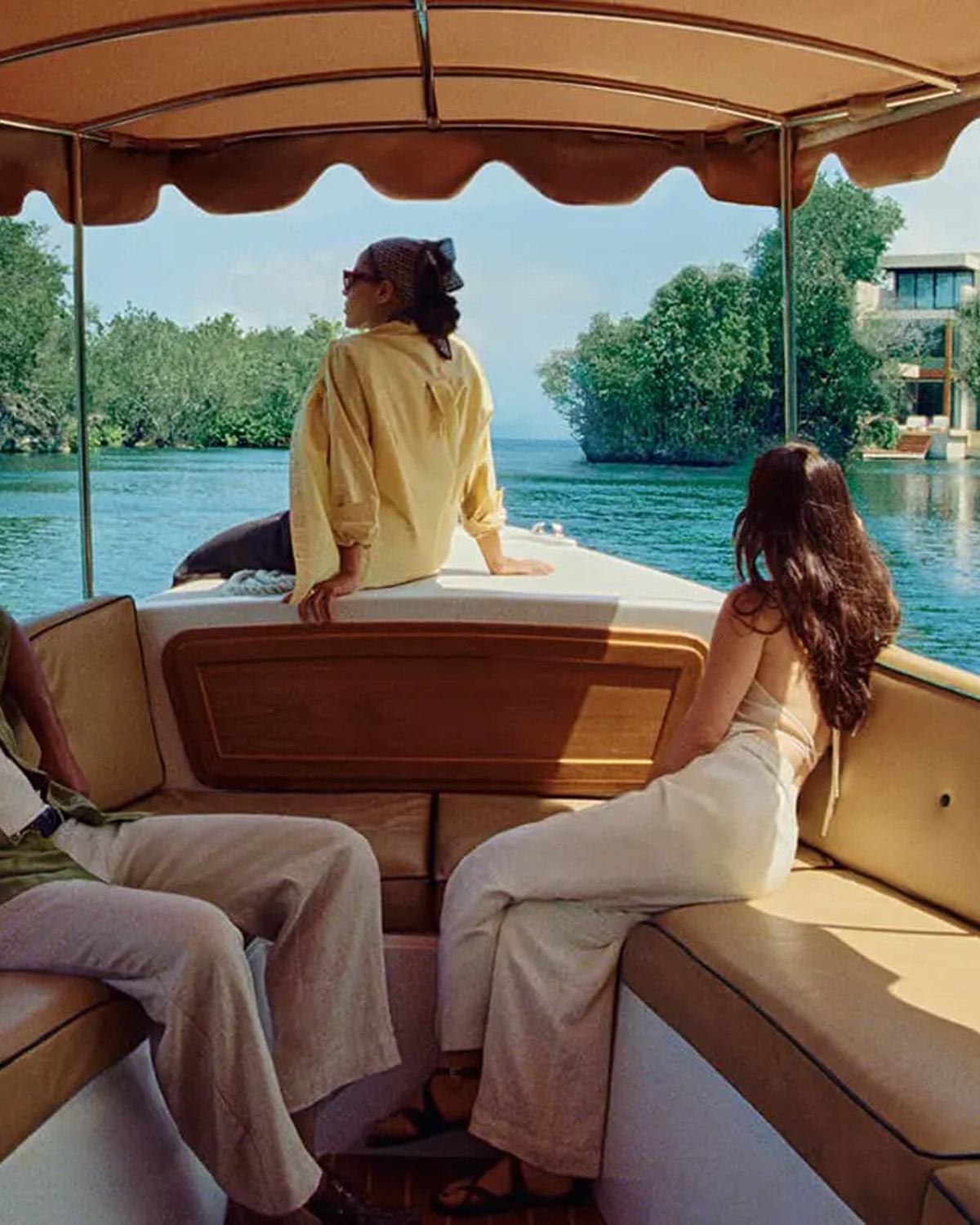
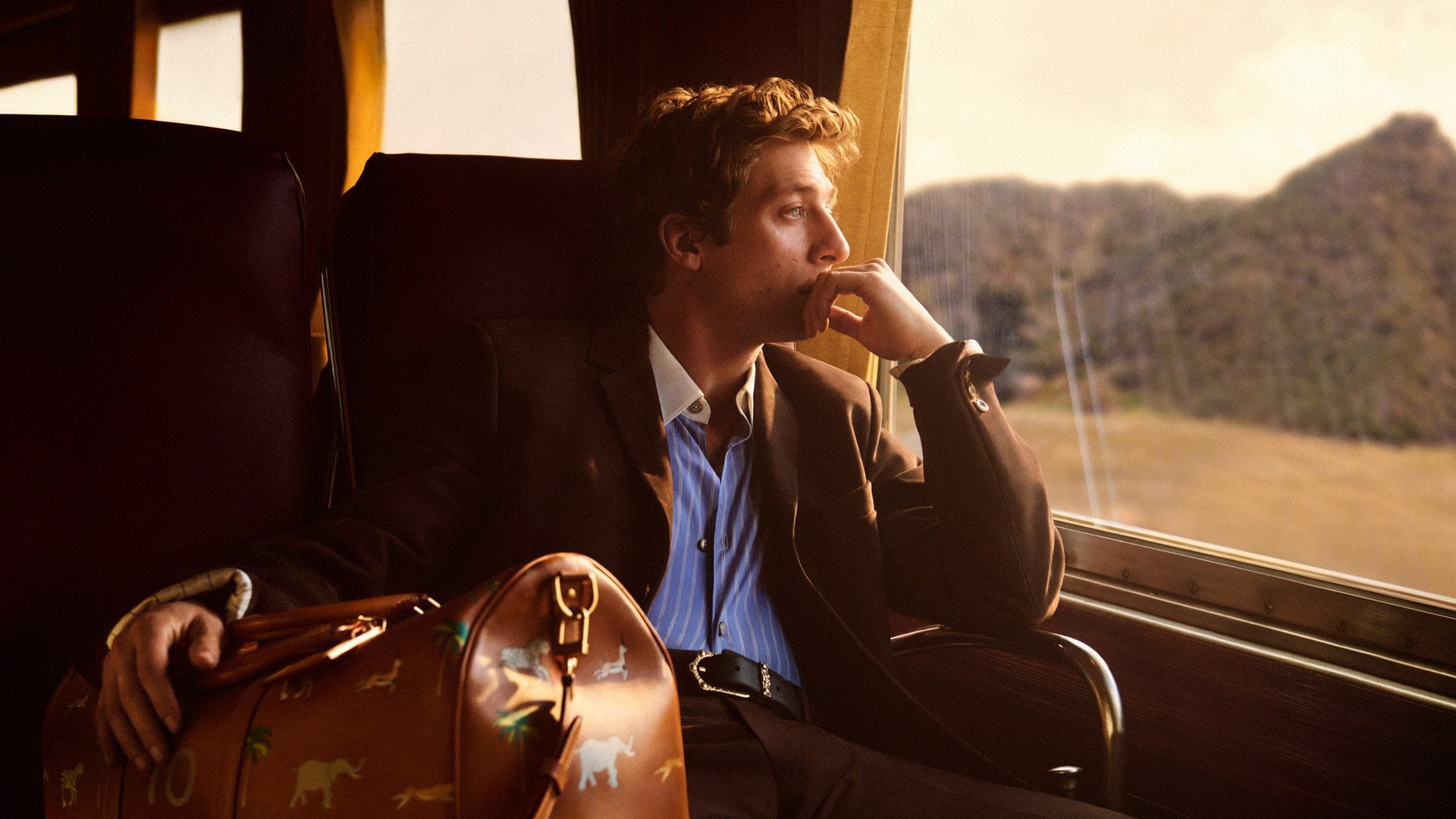
One of the most significant shifts shaping luxury in 2026 is the movement away from overt status signalling towards emotional utility. Luxury is increasingly expected to deliver calm, reassurance and personal meaning in an environment characterised by economic uncertainty and cultural fatigue.
Business of Fashion identifies wellbeing and experience‑led luxury as among the fastest‑growing value drivers in the sector, with experience‑centric categories growing at nearly twice the rate of product‑only categories in 2026.
This is reinforced by WGSN’s Future Consumer research, which shows that 73% of affluent consumers now associate luxury primarily with emotional balance and mental wellbeing, rather than prestige alone. As a result, luxury brands are being evaluated not just on what they sell, but on how they make consumers feel over time.
This shift fundamentally alters the mechanics of desirability.
Marketing as luxury infrastructure
In 2026, marketing is no longer a support function in luxury. It is a core system of value creation.
The BoF Insights Brand Pulse Index an AI‑driven performance framework measuring Discoverability, Identity, Value, Connection and Love, demonstrates that brands excelling in Connection and Value generate up to three times higher advocacy signals than those leading on discoverability alone.
More significantly, the Index identifies emotional connection as the strongest predictor of brand resilience during periods of demand softening, outweighing price competitiveness and campaign spend. This reframes marketing from amplification to infrastructure: a mechanism that converts relevance into loyalty.
For emerging luxury brands, the implication is clear. Visibility without emotional attachment is fragile.
Loyalty in 2026: what actually works
Across categories, brands maintaining loyalty in 2026 share consistent characteristics:
- Value clarity: Consumers understand pricing mechanics and reward brands that justify cost through quality and experience.
- Emotional consistency: Shifting aesthetics without shifting values preserves trust.
- Experience ecosystems: Private access, service and cultural engagement outperform transactional loyalty schemes.
- Invisible technology: AI supports personalisation and discovery without overwhelming the consumer.
These mechanisms reflect a broader truth: loyalty is emotionally earned, not mechanically engineered.
Implications for emerging
luxury brands
The luxury brands reshaping the global market in 2026 are not those expanding fastest, but those operating with the greatest strategic precision. With over 60% of consumers actively evaluating value, and emotional connection proven to drive up to three times higher advocacy, success is increasingly determined by marketing systems that convert relevance into loyalty rather than visibility into noise.
As growth concentrates among a smaller cohort of high‑performing brands, the definition of emerging luxury has narrowed. It now describes brands structurally aligned with consumer expectations of trust, wellbeing and emotional return and operationally capable of sustaining that alignment over time.
In an era where AI governs discovery and cultural capital determines desirability, luxury’s future belongs to brands that combine craftsmanship with emotional intelligence and marketing discipline.
Contact us
Transform your digital performance.
If you are looking to unlock growth opportunities, please get in touch and tell us about your brand, goals and challenges. We will be in touch shortly.
Thank you!
Thank you for your enquiry. We will be in touch soon.